
If you’re feeling the pinch of rising energy bills, you’re not alone. Water heating can make up around 25% of your home’s energy use, so switching to a more efficient system can lead to serious long-term savings.
That’s where heat pump hot water systems come in. These innovative units use ambient air to heat water – making them far more energy-efficient than traditional electric or gas systems. And with electricity prices constantly shifting, choosing a system that uses minimal energy puts you back in control of your costs.
But it’s not just about savings. Heat pump systems are also much better for the environment, producing far fewer carbon emissions. And with government energy rebates and STCs (Small-scale Technology Certificates) available, the upgrade is now more affordable than ever.
How Do Heat Pump Hot Water Systems Work?
Heat pump systems might sound a bit technical, but the concept is straightforward—think of them like a reverse fridge:
- A fan draws in ambient air from outside your home.
- The heat from that air is absorbed into a refrigerant coil.
- That heat is then compressed and transferred to water in a storage tank.
- The result? Hot water for your home, even in cooler weather.
Because they don’t rely on the sun, heat pumps perform well in a variety of climates, including shaded or cooler environments where solar might struggle.
Heat Pump Pros and Cons
Like any system, heat pumps have their pros and cons. Here’s a quick breakdown to help you decide if they’re right for you:
 Pros:
Pros:
- Highly efficient – use up to 60 – 75% less electricity than standard electric systems.
- No roof panels needed – great for homes without suitable roof space.
- Work well in shaded or cooler areas – ideal for most Australian homes.
- Eligible for rebates and STCs – reduce upfront costs significantly.
- Compact design – perfect for small yards or tight areas.
 Cons:
Cons:
- Slight operational noise – similar to an air conditioning unit.
- Upfront cost can be higher than a basic electric system (but offset by savings and rebates).
- May take longer to heat large volumes of water compared to gas.
How Much Does A Heat Pump System Usually Cost?
Heat pump systems typically range from $4500 to $8,000 installed, depending on the brand and model. While that may sound like a lot, rebates and STCs can shave off hundreds, sometimes over $1,000, from the final price.
Plus, when you factor in energy savings over time, many homeowners see a payback period of just 3 – 5 years.
Is a Heat Pump Right for You?
Here’s what to consider before making the switch:
- Climate – Heat pumps work efficiently even in cooler coastal climates like the Gold Coast and Northern Rivers.
- Hot water usage – Ideal for small to medium households.
- Home layout – No roof space required, great for compact homes or apartments.
- Current system – Replacing an old electric or gas unit? You’ll likely see a big jump in efficiency and savings.
Final Thoughts: Is A Heat Pump Worth The Upgrade?
If you’re looking for a reliable, eco-friendly, and cost-effective way to heat your water, a heat pump hot water system is well worth considering. With low running costs, minimal environmental impact, and solid government incentives, it’s a smart upgrade for homeowners focused on long-term value.
Ready to Make the Switch?
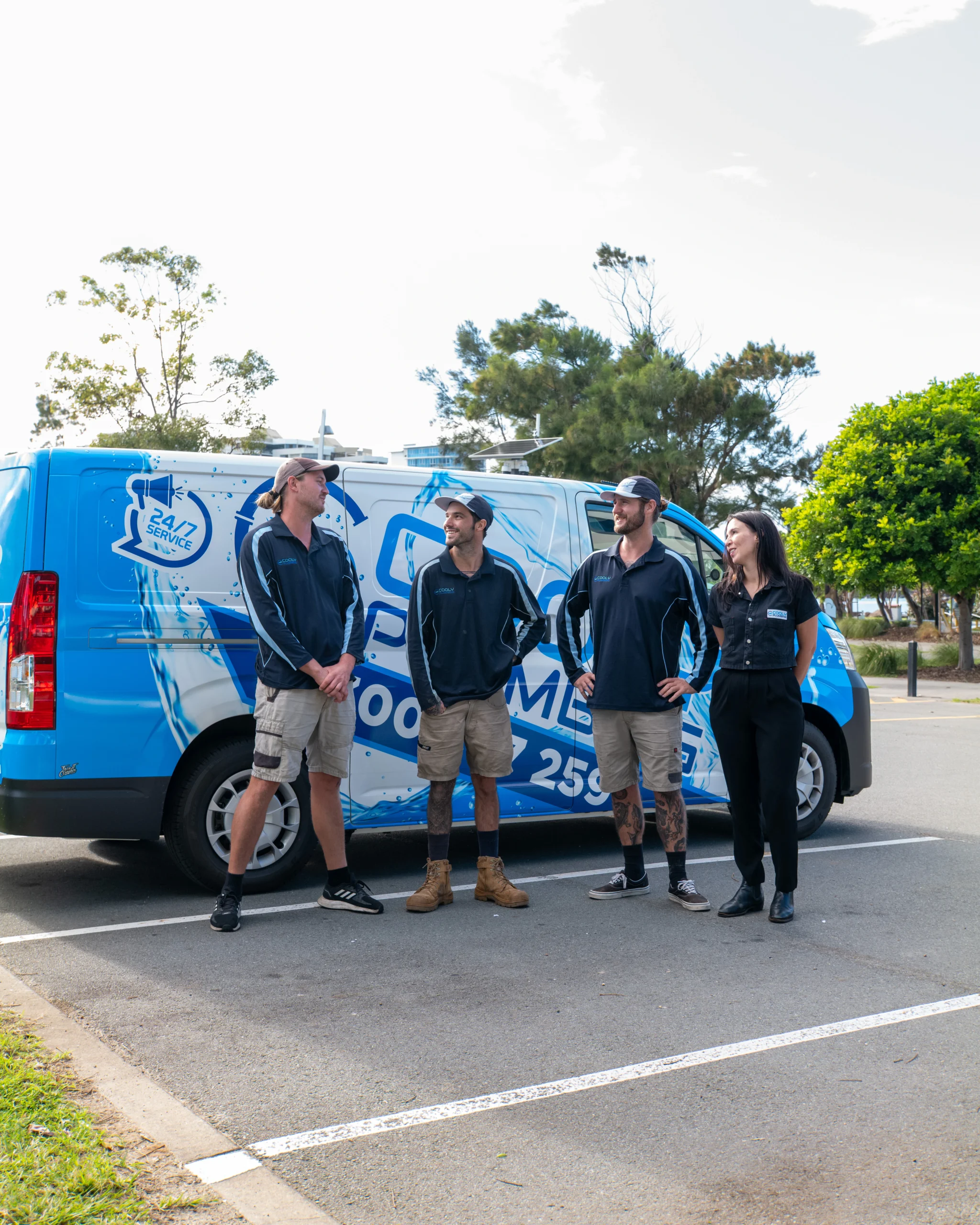
Cooly Plumbing are your local heat pump hot water experts, servicing the Gold Coast and Northern Rivers. We offer honest advice, transparent pricing, and same-day service for urgent replacements.
Not sure which system suits your needs? We’ll assess your property, talk you through your options, and handle the rebate process for you. Call Cooly Plumbing on 1300 247 259 or book online at coolyplumbing.com.au to get your heat pump upgrade underway.
Heat Pump FAQs
How efficient are heat pump water heaters?
They can be up to 4x more efficient than traditional electric systems.
Do heat pumps work in winter?
Yes, modern units are designed to operate effectively even in cooler temperatures.
Can I get a rebate for installing a heat pump?
Yes, most systems are eligible for government STCs, which reduce your upfront cost significantly.
Recent Comments